Wet-on-Wet Techniques for Watercoloring

Alan Stinson

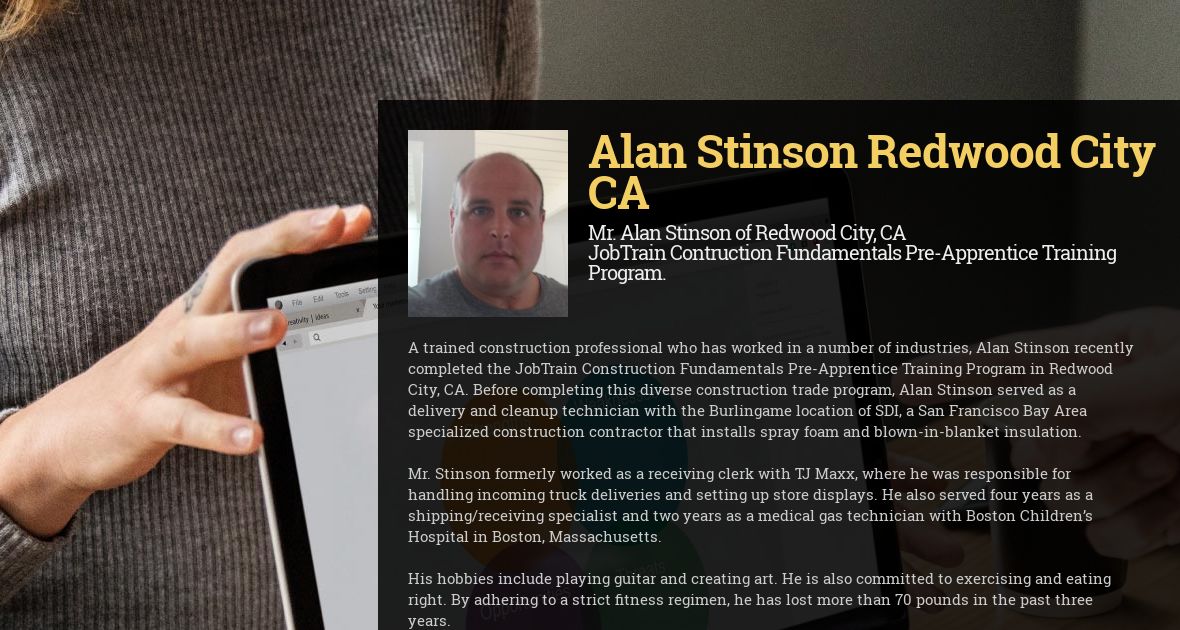
Based in Redwood City, CA, Alan Stinson has a customer-focused background in areas such as inventory management and retail delivery. A music enthusiast who enjoys playing the guitar, Alan Stinson also has a passion for creating works of art in Redwood City, CA.

One unique method of generating vibrant works of art involves watercolors and use of a wet-on-wet technique. This technique employs a wet painting surface in tandem with wet colors and is ideal for background washes, skies, and landscapes that have a flowing contour.

However, there is an element of unpredictability to the wet-on-wet style, as the watercolor’s form will be determined to a large degree by the movement of water as it dries. This technique has an advantage when looking to add texture to an already colored-in shape within a composition, as the unpredictability is contained within a specific area.

A variation of this technique involves starting a wet-on-wet watercolor wash with one color and then next to it adding another hue or a more intense version of the original color. The two colors will blend and create an intriguing gradient that fluidly connects two distinct tones.

New Inflammation Index Ranks Various Food Types

image of Alan Stinson CA

A resident of Redwood City, CA, Alan Stinson has completed training in construction and has a background in retail and medical supply delivery. Having shed 70 pounds over the past few years, Alan Stinson combines regular workouts in Redwood City, CA with a healthy diet.

To achieve a healthy diet, paying closer attention to the types of food consumed is necessary. For many years, several health agencies have been studying how certain foods groups affect our well-being. For example, a nutritional epidemiologist at the University of Alabama developed a new index that measures foods in terms of the levels of inflammation they cause.

Published in the Journal of Nutrition, the inflammation index was created by analyzing data encompassing 30,000 people of diverse backgrounds and with four lifestyle characteristics. Nineteen food groups consumed by these people, who shared food habits as part of a Reasons for Geographic and Racial Differences in Stroke Study (REGARDS) study, were cross-referenced.

The result was a numerical score assigned to 109 different basic foods, with negative values associated with low inflammation and positive scores moving toward greater inflammation. On the low end were tomatoes (-0.78), berries and apples (-0.65), and poultry (-0.45). With fish and red meat hovering around zero, high inflammation scores were associated with added sugars (0.56), processed meats (0.68), starchy vegetables (0.72) and refined grains (0.72).

What these results seem to reinforce is that the same types of foods associated with inflammation are also those that pose a threat to overall health, when consumed too much.

How Does Art Improve Mood?

Alan Stinson, a recent graduate of the JobTrain Construction Fundamentals Pre-Apprentice Training Program in Redwood City, CA, has held several positions throughout his career. Throughout these changes in his professional life, Alan Stinson of Redwood City, CA has maintained a passion and talent for art. For him, art has always been a source of happiness.

Numerous studies have found a correlation between creating art and boosting mood and happiness. This is likely due to art’s ability to distract the brain. Many people have about 60,000 thoughts every day, but art is capable of distracting people from these thoughts. When creating art, people must pay close attention to their environment and the detail of their work, thus leaving little room in the mind to get caught up in negative thoughts and concerns about the day. As a result, people who enjoy art are often less stressed.

Aside from relieving stress, creating art promotes creative thinking because it allows people to come up with unique solutions to various problems. Out-of-the-box thinking promotes the growth of new neurons in the brain and allows individuals to enjoy more creative thoughts in other areas of their lives. This growth prevents brain cell death and is one of the reasons why art and art therapy is effective at delaying cognitive decline among adults who are over the age of 70.

Finally, art improves self-esteem among artists. No matter what type of art someone completes, the very act of completing it releases dopamine in the brain. This motivates people to continue creating and helps them feel a sense of accomplishment whenever they finish a new piece. Such increases in dopamine are tied to any creative hobby, including sewing, photography, and gardening.

Significance of Diet and Exercise in Weight Loss


image of Alan Stinson

Redwood City, CA, resident Alan Stinson has held numerous positions over the years, including as a medical gas technician for Children’s Hospital Boston and, most recently, a trainee with the JobTrain Construction Fundamentals Pre-Apprentice Training Program. Dedicated to living a healthy lifestyle, Alan Stinson of Redwood City, CA has lost 70 pounds in the past few years thanks to his commitment to working out and eating healthy.

When it comes to losing weight, both exercise and a good diet are essential components of anyone’s process. The reason that people need both a good diet and an exercise routine is that it helps them lose and maintain weight. With diet only, fat can be lost. However, as fat burns off, so does bone density and muscle. Exercising keeps the body toned and capable of functioning properly, despite the decrease in the number of calories a person consumes each day.

Further, only a small amount of exercise is necessary for these benefits. People with a good diet are often fine exercising about five to seven times a week. These exercises can also be less than an hour in length and only be of moderate intensity.

In addition to exercise, a good diet is also an important component of anyone’s weight loss plan. This is because people cannot exercise away a bad diet. If they eat poorly, they will likely see poor results when it comes to weight loss. The amount of calories burned by the average person during a 30-minute run is the same as the average calories in two 16-ounce sodas.